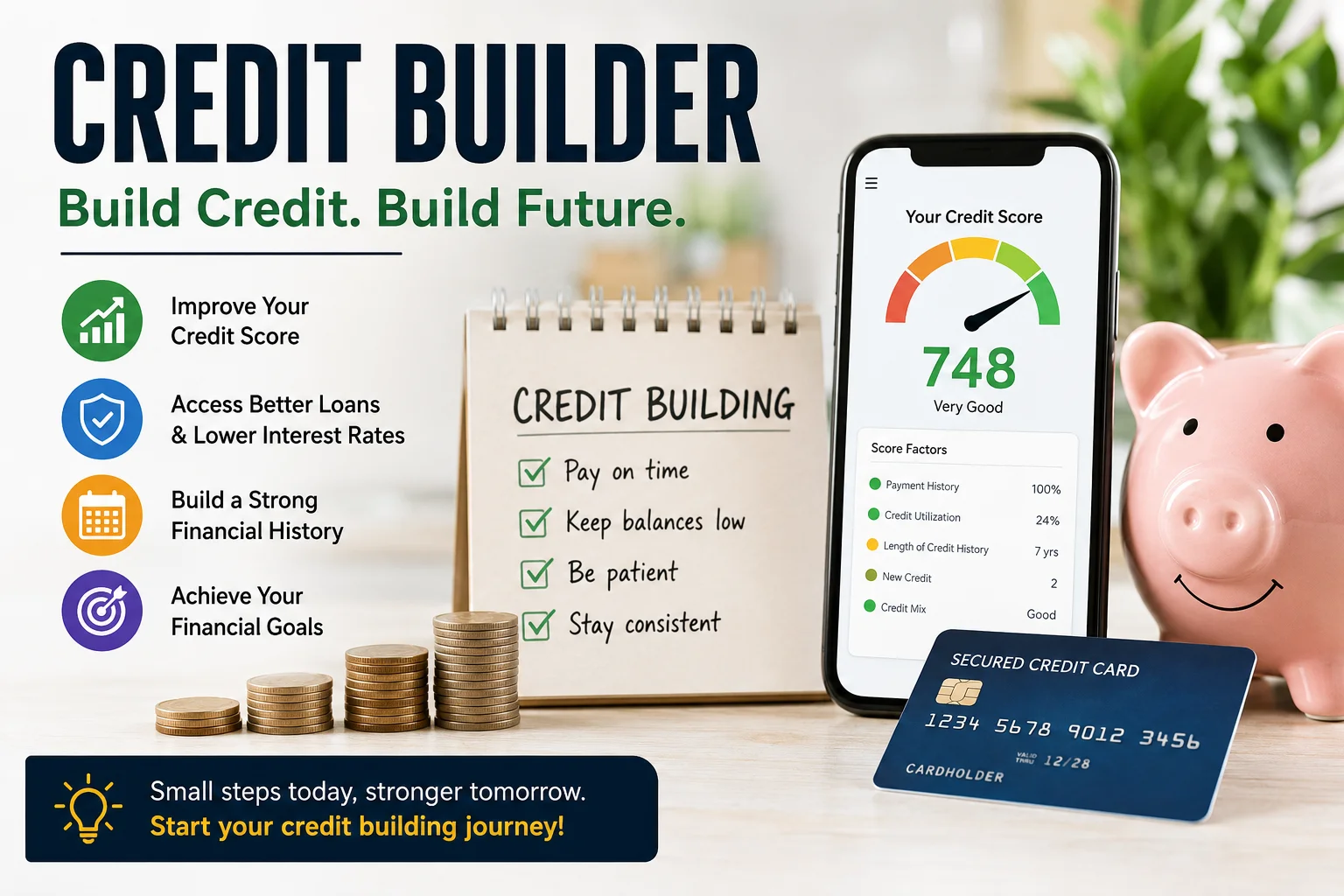
Credit Builder: A Smart Way to Build a Stronger Credit Profile
Building a strong credit profile takes time, consistency, and responsible financial habits. However, a credit builder can make this process easier for many consumers.
A credit builder service focuses on helping people establish or improve their credit history. It can be especially useful for individuals with limited credit experience.
What Is a Credit Builder?
A credit builder is a financial service designed to help consumers develop a stronger credit history. These services typically focus on regular payments and responsible financial behavior.
For people with little credit history, getting started can sometimes feel difficult. Therefore, a credit builder may provide a structured approach.
The goal is not simply to borrow money. Instead, the focus remains on building positive financial habits over time.
How Credit Building Works
Credit building generally involves making regular payments according to agreed terms. Depending on the service, payment activity may be reported to credit bureaus.
When payments are reported, consistent on-time behavior can contribute to a stronger credit profile. However, reporting policies vary between providers.
Therefore, consumers should always review the terms before choosing a credit-building service.
Why Credit History Matters
Your credit history can influence several financial opportunities. Lenders may review credit information when evaluating applications.
A stronger credit profile can potentially improve access to financial products. It may also help consumers qualify for more favorable terms.
However, credit scores depend on multiple factors. Payment history, credit utilization, account age, and other information can matter.
Benefits of Using a Credit Builder
A credit builder can offer several potential advantages for eligible consumers.
First, it can provide a structured way to develop credit habits. Regular payments can encourage better financial discipline.
Second, some services may report eligible payment activity to major credit bureaus. This reporting can help establish a record of responsible payments.
Third, credit-building products may help consumers understand how financial behavior affects their credit profiles.
Nevertheless, results can vary based on individual circumstances and provider policies.
Who May Consider a Credit Builder?
Credit-building services may benefit people with limited or established credit challenges. They can also interest consumers starting their financial journey.
For example, someone with little credit history may want to establish a payment record. Similarly, someone rebuilding credit may seek additional financial tools.
However, consumers should first consider their income, budget, and existing financial obligations.
Things to Check Before Applying
Before choosing a credit builder, review all available terms carefully.
Check whether the provider reports payments to credit bureaus. Also, review fees, payment requirements, cancellation policies, and eligibility conditions.
Furthermore, understand whether the product involves borrowing, saving, or another financial arrangement.
Never assume that using a credit-building service guarantees a higher credit score.
Credit Builder and Responsible Financial Habits
A credit builder works best alongside responsible money management. Therefore, users should focus on making every required payment on time.
Keeping balances manageable can also support healthier credit habits. Additionally, consumers should regularly review their credit reports.
Avoid taking on financial obligations that exceed your ability to repay. A credit-building strategy should fit comfortably within your budget.
How to Get Started
Start by reviewing your current financial situation. Then, identify your primary credit-building goal.
Next, compare available services and carefully read their terms. Pay close attention to costs and reporting practices.
After choosing a suitable option, make payments consistently and monitor your progress.
You can also review your credit reports periodically. This helps you identify inaccurate information and track changes over time.
Final Thoughts
A credit builder can be a useful tool for developing responsible credit habits. However, it should complement broader financial planning.
Consistent payments, careful borrowing, and regular credit monitoring remain important. Additionally, consumers should understand every financial product before using it.
If you are exploring credit-building options, research the service carefully before applying. Consider your budget, financial goals, and eligibility first.












Post Comment